BeesApp Platform Transformation: Complete System Rebuild

Project Overview
BeesApp's retail-tech platform transformation represented one of our most challenging technical projects: converting a collection of broken, fragmented systems into a modern, scalable infrastructure. Their existing platform was a chaotic mixture of PHP, Django, and Vue.js components that barely functioned together, with no proper documentation, inconsistent data management, and frequent system failures that prevented reliable operation.
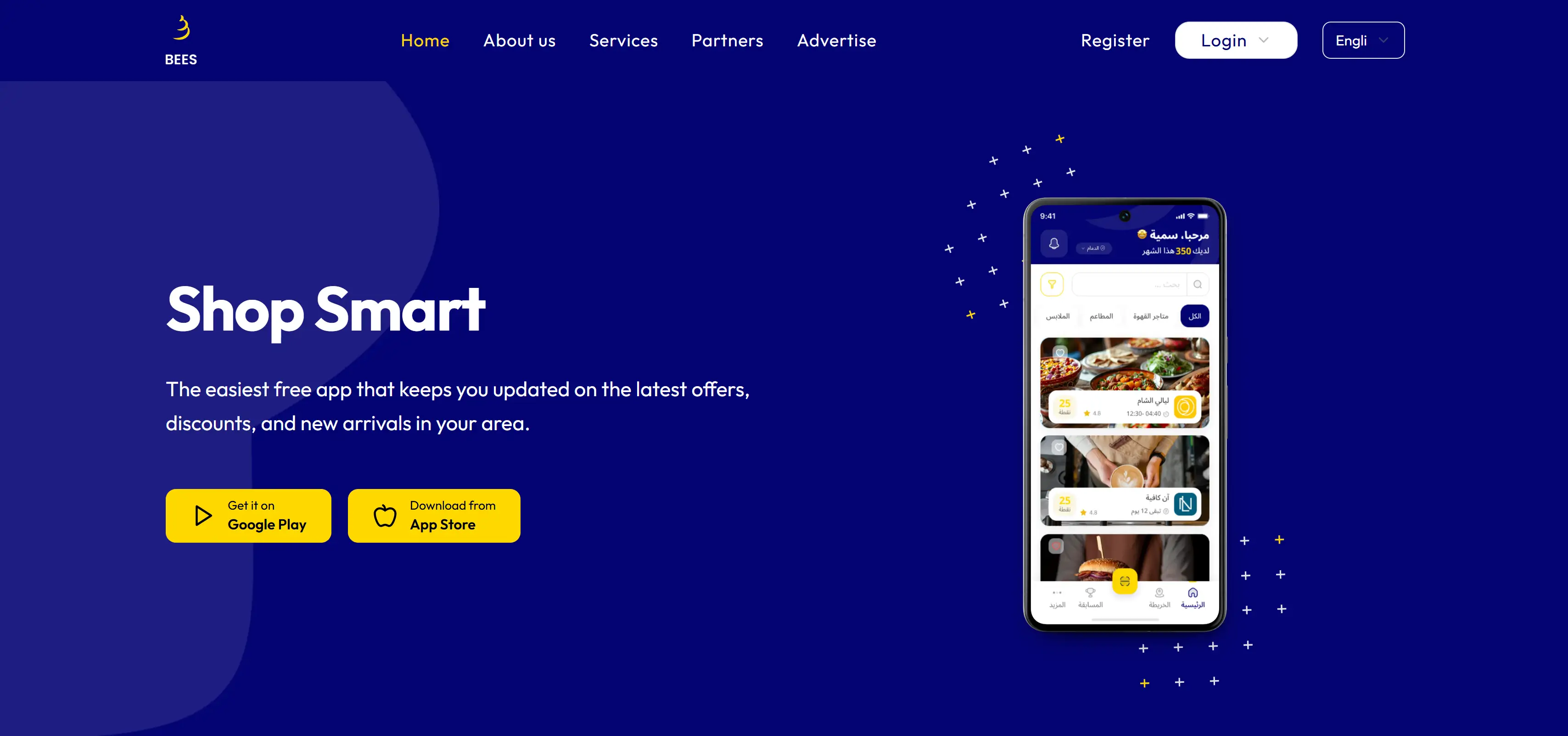
We completely rebuilt their entire platform using modern architecture with Next.js, Flutter, and FastAPI, while establishing proper DevOps practices and corporate presence that enabled successful market entry in Saudi Arabia. The transformation involved not just technical reconstruction but also business process optimization and market positioning strategies.
Technical Assessment and System Analysis
The initial technical assessment revealed a platform that was fundamentally unsustainable. The PHP/Django/Vue.js combination had been implemented without proper architectural planning, resulting in data inconsistencies, security vulnerabilities, and performance issues that made the platform unreliable for business operations. Database structures were poorly designed, API endpoints were inconsistent, and there was no version control or deployment pipeline.
The existing codebase lacked documentation, proper error handling, and scalability considerations. User authentication systems were insecure, data validation was inconsistent, and the frontend-backend integration was fragile and prone to breaking. The hosting infrastructure was inadequate for the platform's requirements, with no backup systems or disaster recovery procedures in place.
Modern Architecture Design and Implementation
We designed a completely new architecture using proven modern technologies that would provide scalability, maintainability, and performance. Next.js was selected for the web frontend to provide server-side rendering, excellent SEO capabilities, and optimal user experience. Flutter was chosen for mobile applications to ensure consistent performance across iOS and Android platforms with a single codebase.
FastAPI backend development provided high-performance API endpoints with automatic documentation, robust data validation, and excellent security features. The database architecture was completely redesigned with proper normalization, indexing strategies, and data integrity constraints. All systems were designed with microservices principles to ensure maintainability and scalability as the business grows.
DevOps Implementation and Infrastructure Modernization
Establishing proper DevOps practices was essential for sustainable platform operation. We implemented comprehensive CI/CD pipelines using modern tools that automated testing, deployment, and monitoring processes. Version control systems were established with proper branching strategies, code review processes, and automated quality checks that prevented deployment of problematic code.
Cloud infrastructure was architected for scalability, reliability, and cost-effectiveness. We implemented containerization using Docker, orchestration with Kubernetes, and established monitoring systems that provided real-time insights into platform performance and user behavior. Backup and disaster recovery procedures were implemented to ensure business continuity.
Corporate Presence and Market Entry Strategy
Beyond technical reconstruction, we developed comprehensive corporate presence strategies that positioned BeesApp for success in the Saudi Arabian market. This included brand development, marketing materials creation, and establishment of business processes that would support growth in a new geographic market with specific cultural and regulatory considerations.
We researched local market conditions, competitor analysis, and regulatory requirements to ensure that the platform and business approach would be successful in Saudi Arabia. Partnership strategies were developed to facilitate market entry, while customer service and support systems were designed to meet local expectations and cultural preferences.
Quality Assurance and Performance Optimization
Comprehensive testing procedures were established throughout the rebuilding process to ensure that all systems functioned correctly and performed optimally. We implemented automated testing suites, load testing procedures, and security auditing processes that validated platform reliability and security before deployment.
Performance optimization involved database query optimization, caching strategies, content delivery network implementation, and frontend optimization techniques that ensured fast loading times and smooth user experience across all devices and connection speeds. Mobile optimization received particular attention to ensure excellent performance in markets where mobile usage dominates.
Results and Platform Transformation
The complete platform rebuild delivered exceptional results that transformed BeesApp from a non-functional collection of broken systems into a reliable, scalable retail-tech platform. System uptime improved to 99.9%, while performance metrics showed significant improvements in loading times, transaction processing, and overall user experience.
The modern architecture provided a stable foundation for business growth, while proper DevOps practices ensured that future development could proceed efficiently without risking platform stability. Most importantly, the professional corporate presence and market positioning enabled successful entry into the Saudi Arabian market with immediate credibility and customer trust.
Key Achievements
- Complete platform reconstruction using Next.js, Flutter, and FastAPI
- Modern DevOps implementation with CI/CD pipelines and monitoring
- Scalable cloud infrastructure with disaster recovery procedures
- 99.9% system uptime improvement from previous broken state
- Corporate presence development enabling Saudi Arabia market entry
- Comprehensive security implementation and data protection
- Performance optimization delivering excellent user experience
Sustainable Growth Infrastructure
The BeesApp transformation established technical and business infrastructure capable of supporting substantial growth in the competitive retail technology market. The modern architecture provides flexibility for feature development and platform expansion, while DevOps practices ensure that growth doesn't compromise stability or security.
Our ongoing technical partnership provides continued platform optimization, feature development, and strategic guidance as BeesApp expands in the Saudi Arabian market. The foundation we established demonstrates how complete platform reconstruction can transform failing technical projects into successful business platforms through systematic planning, modern architecture, and proper execution.